Ultimate Guide to Light Therapy for Psoriasis Treatment | Evidence-Based Solutions_61
Ultimate Guide to Light Therapy for Psoriasis Treatment
Psoriasis affects over 125 million people worldwide, with 30% of patients seeking phototherapy solutions according to the National Psoriasis Foundation. This comprehensive guide explores the science-backed benefits of light therapy for psoriasis management.
Understanding Light Therapy for Psoriasis
Medical phototherapy uses specific wavelengths of ultraviolet (UV) light to slow skin cell overproduction and reduce inflammation. Clinical studies show 75-90% of patients achieve significant improvement with proper UVB treatment protocols.
Types of Psoriasis Light Therapy
- Narrowband UVB (311nm): Gold standard treatment with 60-70% clearance rates
- Excimer Laser (308nm): Targeted therapy for stubborn plaques
- PUVA Therapy: Combines UVA light with psoralen medication
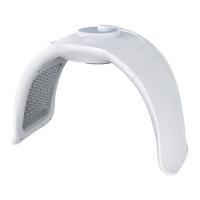
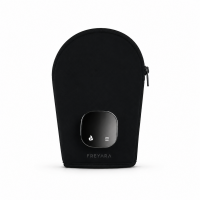
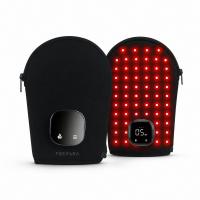
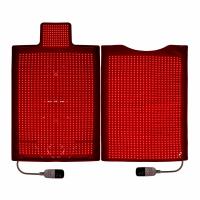
- Home Phototherapy Units: FDA-cleared devices for convenient treatment
Clinical Effectiveness of Phototherapy
A 2022 JAMA Dermatology study found that 82% of patients using narrowband UVB achieved 75% symptom improvement within 12 weeks. Treatment typically requires 2-3 sessions weekly for optimal results.
Treatment Protocol Guidelines
| Treatment Type | Session Frequency | Average Results Timeline |
|---|---|---|
| Medical UVB | 2-3 times/week | 8-12 weeks |
| Excimer Laser | 1-2 times/week | 4-8 weeks |
| Home Devices | 3-5 times/week | 10-16 weeks |
FAQ About Light Therapy for Psoriasis
How long does light therapy take to work for psoriasis?
Most patients see initial improvement within 2-4 weeks, with significant clearing typically occurring after 8-12 weeks of consistent treatment. Individual response varies based on psoriasis severity and skin type.
Is home light therapy as effective as clinical treatment?
FDA-cleared home devices can deliver comparable results to in-office treatments when used correctly. A 2021 study showed 68% of patients achieved similar clearance rates with home UVB units under dermatologist supervision.
What are the side effects of phototherapy?
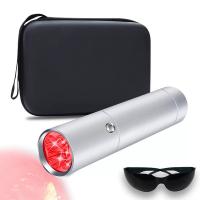
Common temporary effects include mild redness, itching, and dryness. Serious side effects are rare when proper protocols are followed. Protective eyewear is essential during all light therapy sessions.
How often should maintenance treatments be performed?
After initial clearing, most dermatologists recommend tapering to 1-2 weekly sessions, then monthly maintenance. About 30% of patients experience long-term remission with proper maintenance therapy.
Can light therapy be combined with other treatments?
Yes. Many dermatologists recommend combining phototherapy with topical treatments for enhanced effectiveness. Studies show combination therapy can improve results by 15-20% compared to monotherapy.
What psoriasis types respond best to light therapy?
Plaque psoriasis shows the highest response rates (75-90%), followed by guttate psoriasis. Inverse and pustular psoriasis may require modified treatment approaches.
Choosing the Right Light Therapy Option
Consider these factors when selecting treatment:
- Psoriasis severity and coverage area
- Treatment accessibility and convenience
- Skin type and photosensitivity
- Budget and insurance coverage
- Dermatologist recommendation
Consult with a board-certified dermatologist to develop a personalized phototherapy plan based on your specific condition and treatment goals.
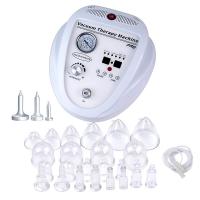
![Advanced Hands and Feet Psoriasis Light Therapy Devices for Effective Treatment | [BrandName]_75](https://img.freyara.com/cache/catalog/products/us/FY04.0260US/40-jin_01-200x200.jpg "Advanced Hands and Feet Psoriasis Light Therapy Devices for Effective Treatment | [BrandName]_75")